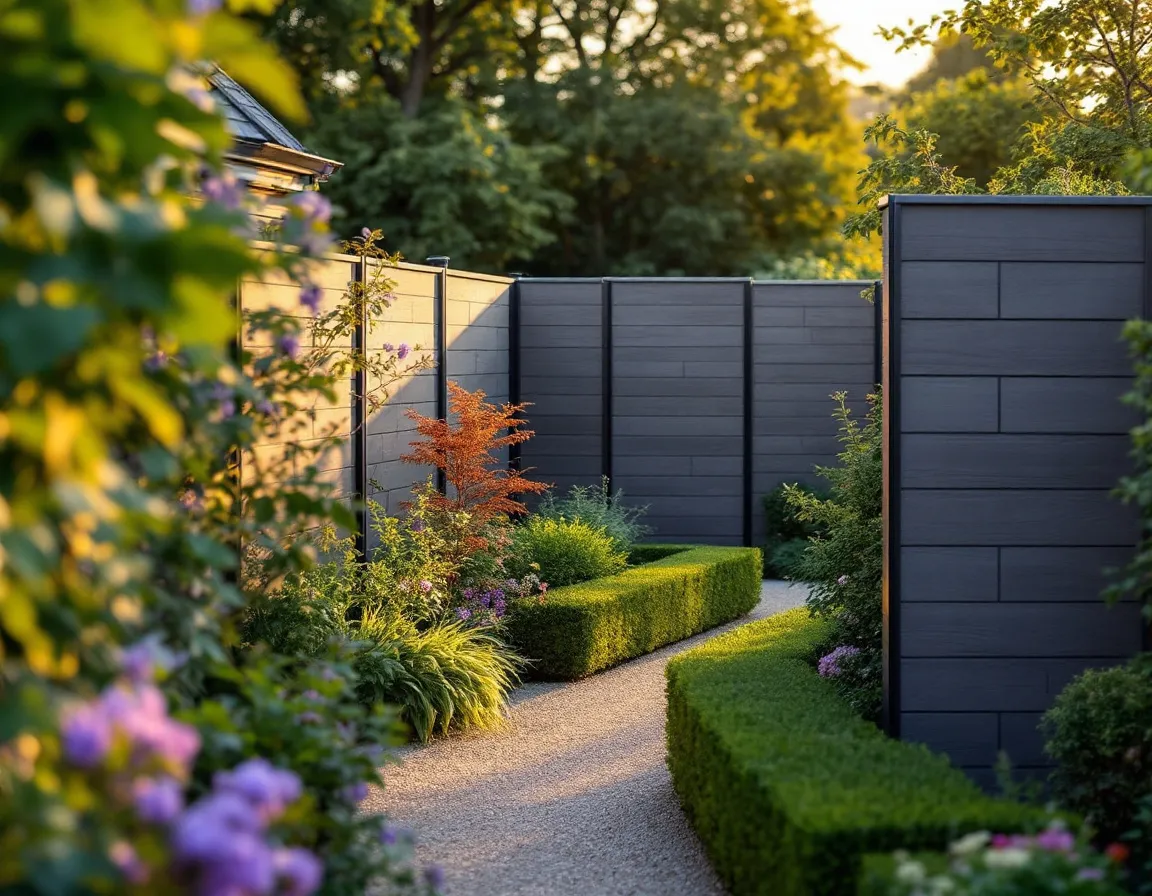
Composite vs wood at a glance
| Timber | Composite | |
|---|---|---|
| Upfront cost (installed, per metre) | Lower: closeboard £60 – £160 | Higher: £70 – £220 |
| Maintenance | Regular treating, yearly for some guarantees | None beyond washing |
| Lifespan (one supplier's estimate) | 10 – 15 years | 20 – 30+ years |
| Guarantee | Varies by product | 10 – 25 years against rot |
| Look | Natural, varies by board | Uniform, modern |
Within each guide that lists both, composite costs more than closeboard. For example, Less.co.uk gives a typical £150 per metre for composite against £100 for closeboard. Best Builders gives £130 to £220 against £90 to £130.
Cost over time
Ultra Decking, a composite seller, gives a worked example for 10 panels on existing concrete posts. Wood starts at £520 and composite at £1,200 (composite priced as DIY, wood with professional labour). After 15 years, wood reaches £1,712 including a £520 replacement, while composite reaches £1,440.
The example assumes sealing every two years and painting every five, at £84 a treatment. Therefore, it favours composite more than a lightly maintained timber fence would. Treat it as one supplier's model, not a rule.
Timber spreads its cost over time, because you pay for treatment every year or two. Composite front-loads the cost instead. As a result, the better choice depends on whether you prefer to pay now or later.
When timber wins
Choose timber if your budget is tight, you are fencing a long boundary, or you like the natural look. It is also easy to repair one damaged panel. However, you must be ready to treat it, and Jacksons Fencing notes that some guarantees depend on a yearly treatment.
When composite wins
Choose composite if you want a fence you can fit and forget, with a clean modern finish. Jacksons Fencing says it needs no painting, staining or sealing, and soap and water will clean it. It pays back best if you plan to stay put, because the saving builds up over years.
Maintenance in practice
Timber needs a routine. Jacksons Fencing says some guarantees require a yearly treatment, so skipping it may affect your cover. In contrast, composite needs only soap and water, and as a result the time you spend matters as much as the money.
Looks and fading
Timber has a natural grain that varies from board to board. Composite looks more uniform. However, composite changes colour early on, and Dino says the early colour change from tannin bleeding usually takes eight to 24 weeks.
Jacksons Fencing adds that some composite products fade in sunlight. Capped boards resist this better, although they cost more, so ask which type you are buying.
Repairs
Repairs differ too. With timber you can replace a single damaged panel, which is quick and cheap. With composite you may need a matching board from the same range, so ask the supplier about spares.
What to ask before you choose
Ask for a written quote that names the product and the guarantee. Ask what the guarantee covers, because rot, warping and fading are different risks. Jacksons Fencing says some composite products warp, so check the terms.
The bottom line
If upfront price is the priority, timber wins. However, if upkeep and a long guarantee matter more, composite is the stronger choice. See the full composite fencing costs, then compare local quotes for both.